
Yoga Instructor Stretching Routines
Comprehensive flexibility training designed for instructors and practitioners looking to deepen their stretching practice and enhance mobility.
Key Features
Progressive Flexibility Development
Structured sequences that gradually improve range of motion through consistent practice. Each routine builds upon foundational poses to develop deeper flexibility safely and sustainably.
Mind-Body Connection Focus
Integration of breath awareness with physical stretching creates a holistic approach. Mindful movement practices enhance body awareness and promote relaxation throughout each session.
Flexible Time Options
Routines available in 15-minute, 30-minute, and 60-minute formats. Choose sessions that fit your schedule while maintaining consistency in your practice.
Detailed Pose Instructions
Comprehensive guidance on proper alignment, breathing techniques, and common modifications. Clear instructions help practitioners understand the purpose of each stretch and how to perform safely.
Targeted Area Sequences
Specialized routines for specific body regions including hamstrings, hip flexors, shoulders, and spine. Focus your practice on areas needing the most attention and development.
Instructor Expertise
Routines developed by experienced yoga teachers and flexibility specialists. Evidence-based approaches ensure safe progression and effective stretching methodology.
Why Consistent Stretching Matters
Regular stretching practice delivers cumulative benefits that extend far beyond the session itself. When incorporated into your weekly routine, stretching addresses physical restrictions, promotes relaxation, and enhances overall mobility.
Flexibility training supports better posture, reduces muscle tension from daily activities, and creates space in the body for improved movement quality. Nutritionflowscience's structured routines guide you through evidence-based sequences designed for sustainable progress.
- Enhanced Movement Quality: Improved range of motion supports athletic performance and everyday activities.
- Tension Release: Targeted stretches alleviate muscle tightness and promote relaxation.
- Postural Alignment: Regular practice encourages better positioning and reduces strain patterns.
- Injury Prevention: Improved flexibility supports safer movement mechanics.

Your Weekly Routine Blueprint
Foundation Assessment
Begin with a baseline evaluation of your current flexibility level to identify priority areas for development.
Warm-Up Preparation
Gentle movement and breath work prepare your body for deeper stretching and enhance circulation.
Targeted Stretching
Follow structured sequences focusing on specific muscle groups and areas needing increased mobility.
Cool-Down Integration
Concluding poses and breathing techniques allow your nervous system to settle and integrate the practice.
Progress Tracking
Monitor your improvements over weeks and months to stay motivated and adjust routines as needed.
Core Stretching Programs

Lower Body Flexibility
Specialized sequences targeting hamstrings, hip flexors, quadriceps, and calves. These routines address the most common areas of tightness from sitting and daily movement patterns.
Duration: 20-40 minutes
Focus Areas: Hips, hamstrings, glutes, ankles
Frequency: 3-4 times weekly

Upper Body Opening
Comprehensive shoulder, chest, and back stretches designed to counteract tension from forward-focused activities. Improves posture and shoulder mobility significantly.
Duration: 25-45 minutes
Focus Areas: Shoulders, chest, back, arms
Frequency: 3-4 times weekly
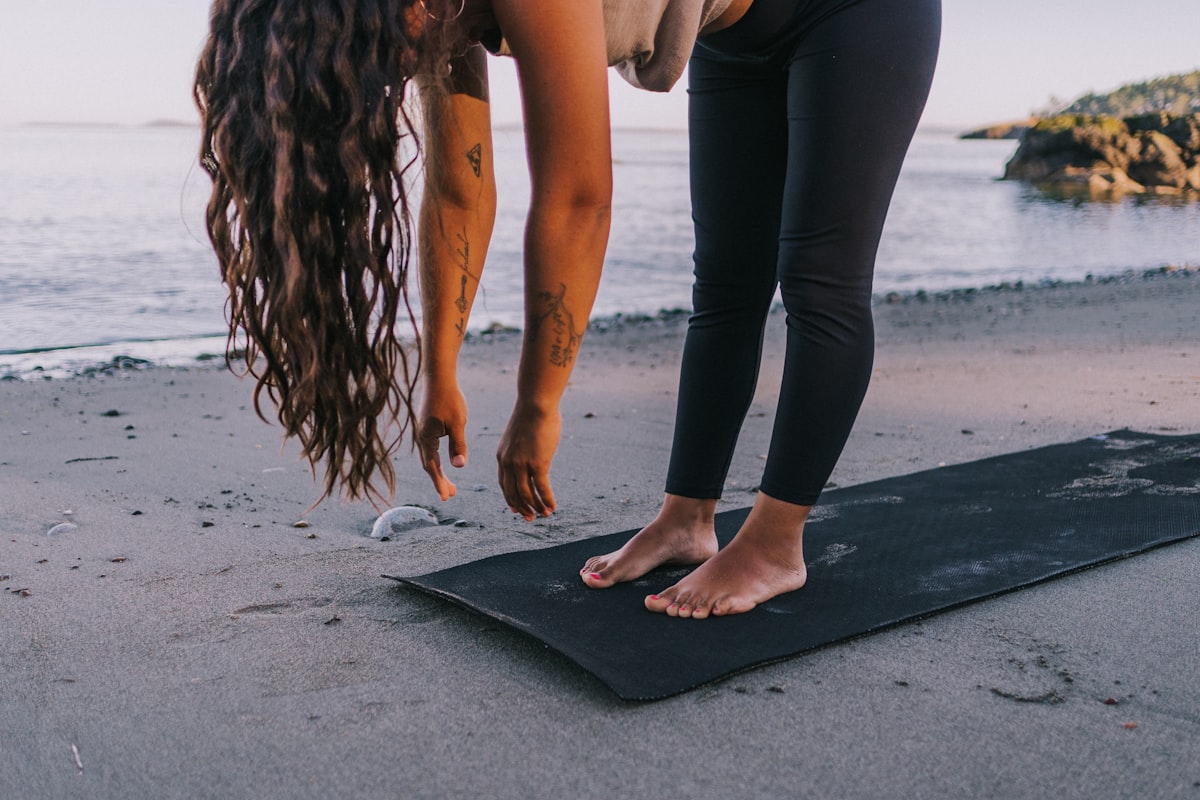
Full-Body Integration
Complete stretching sequences that work systematically through your entire body. Perfect for balanced development and comprehensive flexibility training in one session.
Duration: 45-60 minutes
Focus Areas: Entire body, all major muscle groups
Frequency: 2-3 times weekly

Spine & Core Mobility
Specialized routines for spinal flexibility including twists, forward bends, and backbends. Supports healthy spine function and core engagement throughout movement.
Duration: 30-40 minutes
Focus Areas: Spine, core, pelvis
Frequency: 4-5 times weekly
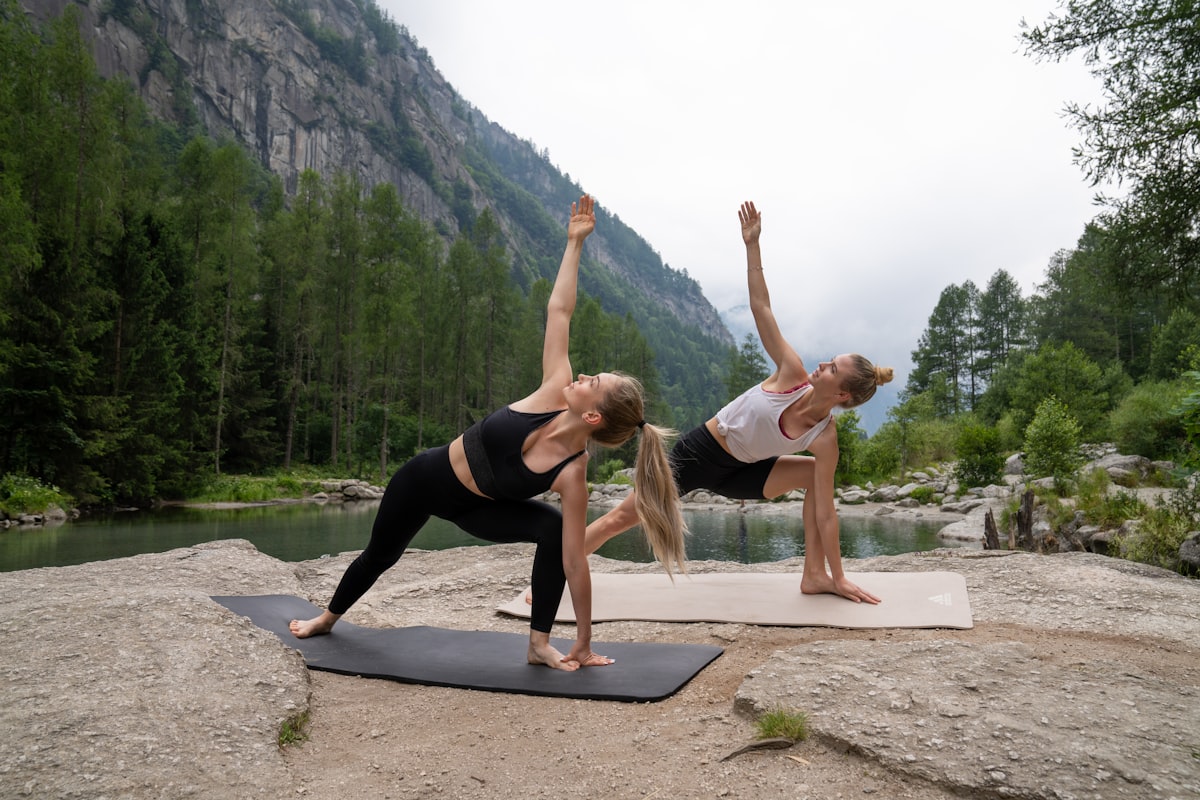
Deep Stretching & Recovery
Longer-hold stretches with extended breathing that promote deep relaxation and nervous system reset. Ideal for evening practice and advanced flexibility development.
Duration: 50-75 minutes
Focus Areas: Connective tissues, deep muscles
Frequency: 1-2 times weekly
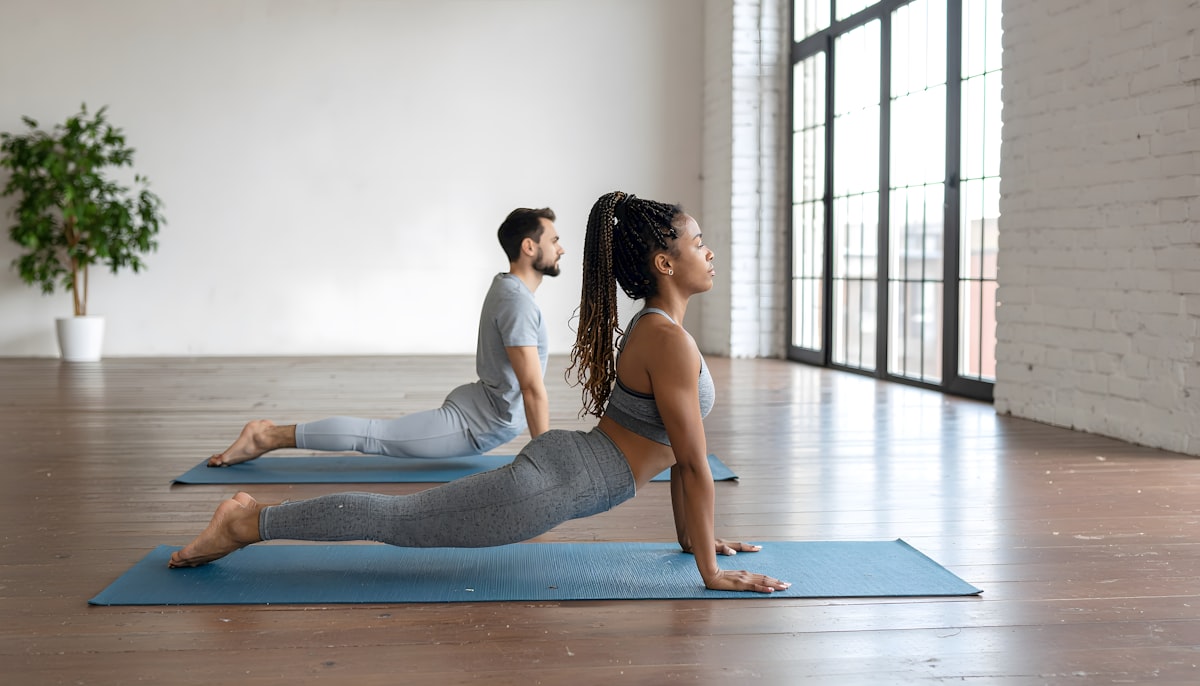
Quick Daily Stretches
Efficient 10-15 minute routines perfect for morning activation or midday tension relief. Maintain consistency without requiring extensive time commitment.
Duration: 10-15 minutes
Focus Areas: Major muscle groups, full body
Frequency: Daily practice option
Benefits Comparison
| Program | Best For | Key Benefits | Recommended Level |
|---|---|---|---|
| Lower Body Flexibility | Athletes, desk workers | Hip opening, leg strength, walking ease | Beginner to Advanced |
| Upper Body Opening | Office workers, postural issues | Shoulder freedom, improved posture | Beginner to Intermediate |
| Full-Body Integration | Comprehensive development | Balanced flexibility, whole-body awareness | All Levels |
| Spine & Core Mobility | Back health, core engagement | Spinal mobility, injury prevention | Intermediate to Advanced |
| Deep Stretching & Recovery | Relaxation, deep flexibility | Nervous system calm, advanced flexibility | Intermediate to Advanced |
| Quick Daily Stretches | Busy schedules, consistency | Habit building, maintenance, accessibility | All Levels |
Visual Stretch Demonstrations
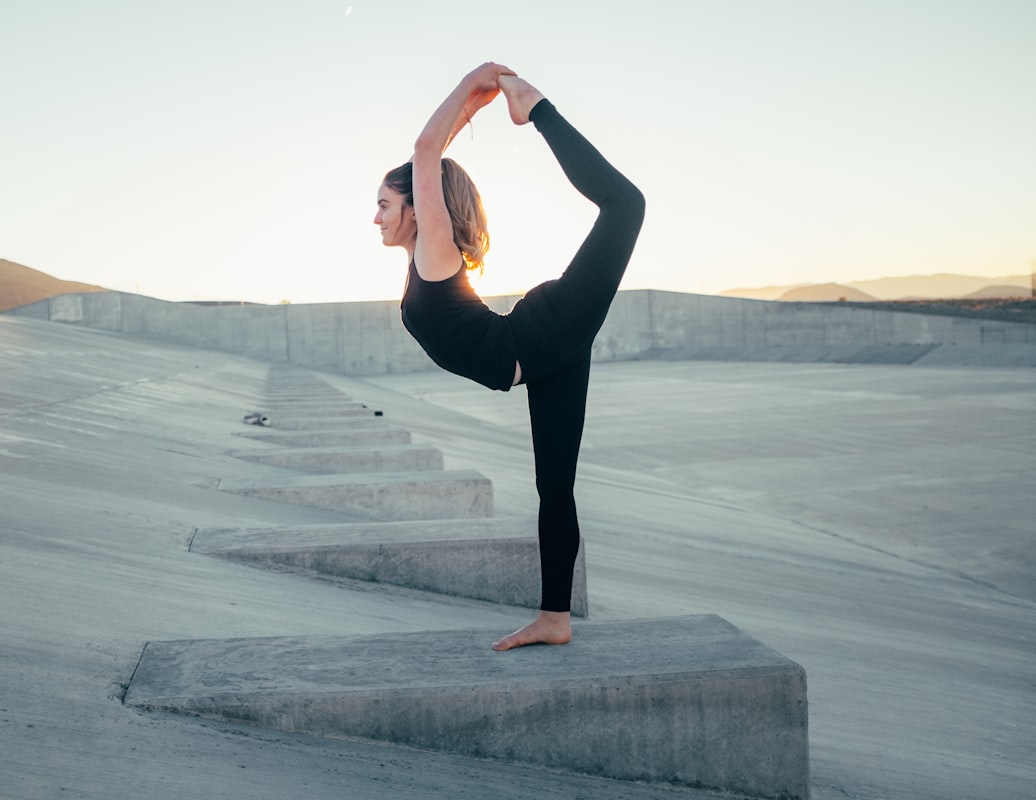
Hamstring Release
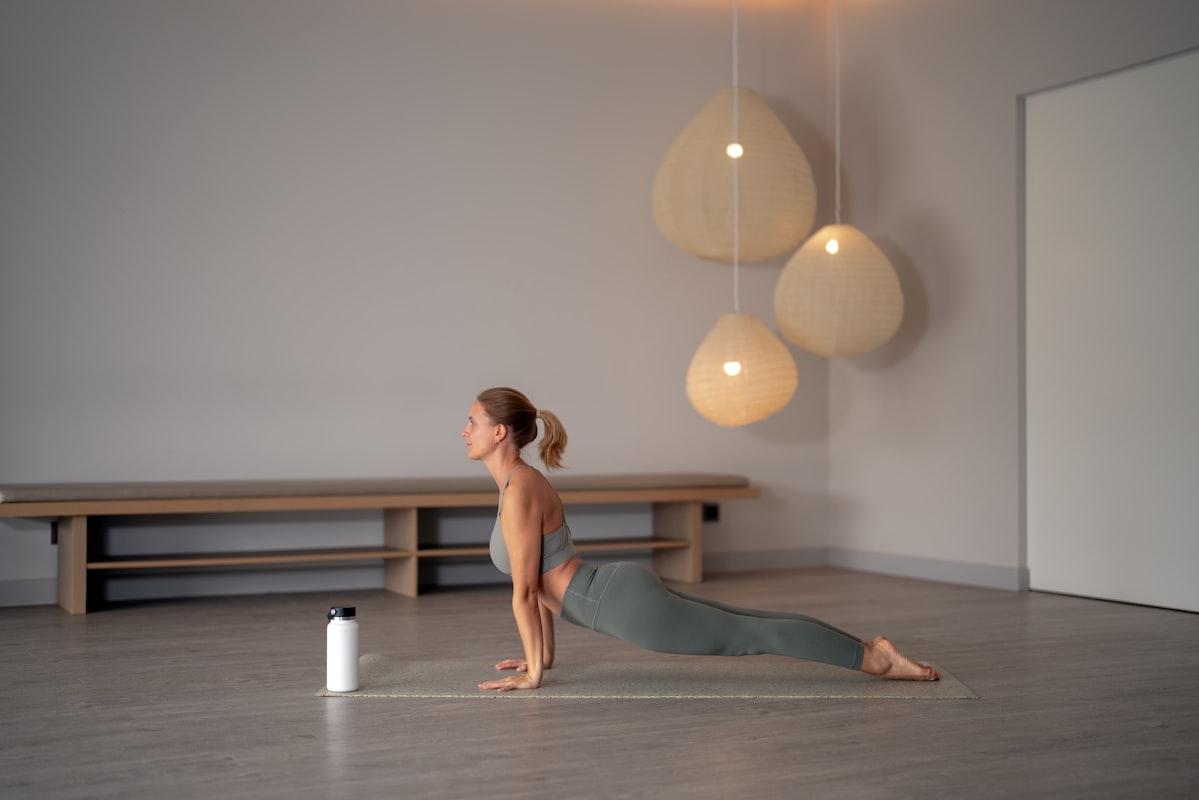
Hip Opening Sequence

Shoulder & Chest Opening
Common Questions About Flexibility Training
How often should I stretch?
Consistency delivers better results than occasional intense sessions. Daily practice or 4-5 times weekly is ideal for steady flexibility improvements. Even brief 10-minute daily routines outperform longer sessions performed only once weekly.
When will I see improvements?
Most practitioners notice increased mobility within 2-3 weeks of consistent practice. Significant flexibility gains typically develop over 8-12 weeks. Progress continues indefinitely with regular commitment to your stretching routine.
Can stretching prevent injury?
Regular stretching supports safer movement mechanics and can reduce muscle tightness that contributes to strain patterns. Combined with strengthening and proper movement technique, stretching is a valuable part of injury prevention strategies.
Is it ever too late to improve flexibility?
Flexibility can be developed at any age. Older adults and beginners may progress more gradually, but consistent stretching produces real improvements regardless of starting point. Proper form and patience are essential.
Should I stretch before workouts?
Dynamic stretching (moving through ranges of motion) works well before exercise. Longer static stretches (holding positions) are better reserved for after workouts when muscles are warm and prepared for deeper work.
What if I'm very tight right now?
Start with beginner-friendly routines and hold stretches only to mild tension—never pain. Warming up before stretching, practicing consistently, and being patient with your body ensures safe and sustainable progress even from restrictive starting points.
Student Success Stories
"These routines completely transformed my mobility within just a few weeks. I was skeptical about how structured stretching could be, but the detailed instructions and progressive sequences made everything clear. My hips feel open for the first time in years, and I notice improved movement quality in all my activities."
Sarah Mitchell
Brighton, UK
"As a yoga instructor, I was impressed by the scientific approach and practical clarity. The routines are accessible for beginners yet challenging for advanced practitioners. I've incorporated these sequences into my teaching, and my students love the focused methodology and immediate sense of improvement."
James Patel
Manchester, UK
"The quick daily routines fit perfectly into my busy schedule. Even 15 minutes makes a noticeable difference in how my body feels throughout the day. I'm amazed how much flexibility I've gained, and the consistency has become something I genuinely look forward to."
Emma Richardson
London, UK
"I started these routines to address lower back tension from desk work. Not only did the stretching help tremendously, but the breathing and mindfulness components have genuinely impacted my overall wellbeing. This is so much more than just stretching—it's a complete mind-body practice."
Michael Chen
Edinburgh, UK
Begin Your Flexibility Journey
Discover detailed stretching routines, instructional guides, and evidence-based approaches to flexibility training.
Frequently Asked Questions
How often should I stretch to improve flexibility?
For optimal results, we recommend stretching 5-7 days per week. Dynamic stretching before workouts and static stretching after exercise provides the best outcomes. Our science-based programs are designed for consistent daily practice.
Is Nutritionflowscience suitable for beginners?
Absolutely. Our platform offers beginner-friendly routines with proper form guidance. Each program is scalable, allowing you to progress at your own pace while maintaining proper technique and safety.
How long before I see results?
Many users report improved flexibility within 2-3 weeks of consistent practice. Noticeable increases in range of motion typically develop within 4-6 weeks, with continued improvements over several months.
Can I use these routines alongside my regular training?
Yes, our flexibility programs are designed to complement any fitness regimen. They enhance recovery, reduce injury risk, and improve overall athletic performance when integrated with strength and cardio training.
Do you offer personalized flexibility assessments?
Our advanced assessment tools measure your baseline flexibility and track progress over time. We provide personalized recommendations based on your results and fitness goals.
Transform Your Flexibility Today
Join thousands of users improving their flexibility with science-backed routines and expert guidance.